
11th February 2026
The Weight of Inequality: the impact of hidden prejudice
In October of last year, we held our annual global Diversity, Equity & Inclusion Festival for the 5th year running. One of our five speakers of the month-long festival was Dr Phillippa Diedrichs, a Professor of Psychology and the Founder of EVERYBODY Consulting, who visited the Adaptive London office to deliver her talk on weight bias, “The Weight of Inequality: How Bias About Bodies Shapes Wellbeing, Inclusion and Opportunity.” Having dedicated two decades to the formal study of psychology and bodies, Phillippa set a personal tone for her talk by sharing her own journey, highlighting one of the many ways weight stigma can sneak into our lives.
At Adaptive, people come first. We are committed to a respectful, psychologically safe environment and take safety seriously – with one of our core values being respect. Our anti‑harassment policy is comprehensive, and employees have access to trusted, confidential support, including trained mental health first aiders. For anyone concerned about reporting, our global whistleblowing policy offers a protected email channel. Reports are investigated promptly, typically within two weeks.
However, even with these measures in place, we are aware there are many forms of bias that are deeply rooted. Talking about them is the first step in addressing them. At Adaptive, we recognise that biases, like weight bias, can subtly influence interactions, perceptions and the overall sense of inclusion at work.
Weight bias is prejudice or negative assumptions about people based on body size or shape. It disproportionately affects people in larger bodies, although people with lower weight bodies can experience it too. Weight bias remains one of the most culturally accepted forms of prejudice and can often go unnoticed, yet it affects wellbeing, inclusion and opportunity.
How bias about bodies shapes wellbeing, inclusion and opportunity
Phillippa’s own first-hand experience of this was when she was diagnosed with an early life health condition, scoliosis, which required major spinal surgery. Years later, when severe back pain returned, she sought help from her general practitioner. Despite her complex medical history, the clinician did not inquire about it or her existing health behaviours, and instead they recommended stretching and weight loss. This disheartening dismissal was not only frustrating and embarrassing but also dangerous. The actual underlying issue, an infection in her spine, was only discovered a year later when a lump developed, ultimately leading to another major surgery.
These experiences underscore a critical point in the conversation on weight stigma – treatment like this from a health professional, even if well-intentioned, can deter people from seeking healthcare again, out of fear of being wrongly judged, shamed or dismissed.
Weight bias harms health more than bodyweight itself
Weight bias manifests in many ways, from medical bias to everyday joking and banter. Phillippa presented multiple studies from around the world showing that her experience was not unique. Research shows that while society may appear to be more accepting of differences, this form of prejudice is still increasing over the years and remains “one of the last acceptable forms of discrimination.” It is not an exclusive experience, affecting people of all identified genders. Weight bias is shockingly linked to a 60% increased risk of dying, irrespective of what a person weighs. This is due, in part, to the fact that experiencing weight bias triggers a chronic stress response in the body, which severely undermines health.
Furthermore, weight bias never has the effect that a well-intended person may wish, as it does not motivate or inspire health and well-being and, in fact, has the opposite effect. The economic impact is also stark, with body dissatisfaction and appearance bias costing an estimated $500 billion per year in the US alone. The real issue is not whether someone fits into society; it is that society is not making space for us all equally. Everyone should have the right to exist as they are without judgment. This is why recognizing and addressing bias in the workplace is so important, to ensure all colleagues feel included and respected.
What can we do to ensure this doesn’t happen to those around us?
Professor Diedrichs recommends practical steps we can all take to reduce harm and build inclusion:
- Recognise our biases.
- Educate and be informed: weight is complex and not just about willpower.
- Avoid commenting on your own or other people’s weight.
- Take care with language: avoid labelling foods as “good” or “bad” – this can contribute to disordered eating.
- Focus on wellbeing and holistic health rather than weight alone.
- Don’t joke or tease about bodies or weight.
- Support yourself by catching negative body thoughts and replacing them with gratitude for what your body can do.
By being aware of our words and assumptions, we can reduce the harm of weight bias and foster safer and more inclusive environments.
Final words
Phillippa’s talk shone a light on an injustice that is faced by many, and although it is deeply rooted in many of our cultures today, a little self-awareness and compassion are all that is needed to begin changing this narrative. At Adaptive, we can each take small steps to foster an environment where everyone feels valued, respected, and safe.
We all have the power to make a difference, one small step at a time. ♥️
If you’d like to learn more about other DEI topics, check out our Adaptive Stories section.
Speaker Bio
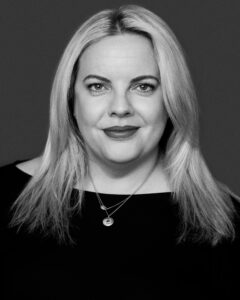
Dr Phillippa Diedrichs, PhD, is a social scientist on a mission to create a world where no one is held back by their appearance, gender, or identity.
She is an internationally recognised psychologist, researcher, author and speaker. She’s known for translating cutting-edge science into practical strategies that improve body image, mental health, and inclusion.
Phillippa is a Professor of Psychology at the Centre for Appearance Research, UWE Bristol, and the founder of EVERYBODY Consulting.
Instagram @phillippa.diedrichs | @everybodyconsulting | @car_uwe
Websites www.phillippadiedrichs.com | www.everybodyconsulting.com